
The short answer
Business owners most often use loans to buy an existing business, buy or build the property they operate from, invest in equipment, cover working capital, open a franchise, or refinance debt they already have. Many of these can be financed with an SBA loan, which is made by a bank and partly guaranteed by the U.S. Small Business Administration. That guarantee often means a lower down payment and longer repayment terms than a conventional loan. The right fit depends on what you’re paying for and how long it will serve your business.
Six common ways to use a business loan
Start with what you want to do. The right kind of loan follows from there.
- Buy an existing businessTake over a business with customers, staff, and cash flow already in place, or buy out a partner.
- Buy or build your spaceOwn the building your business operates from instead of renting, or build and renovate to fit how you work.
- Invest in equipmentAdd the machinery, vehicles, or technology that helps your business do more.
- Cover working capitalFund payroll, inventory, and day-to-day costs while you grow.
- Open a franchiseFinance a new franchise location, from the franchise fee to build-out and opening costs.
- Refinance existing debtReplace business debt with terms that may be easier on your cash flow.
Not sure which one fits? A specialist can help you sort it out.
Business loans: your questions, answered
A plain-language walkthrough of how business owners use financing, and how to tell which kind of loan fits.
How do I know which kind of loan I need?
Start with what you’re paying for, not the loan name. Long-lasting things like property and major equipment usually come with longer repayment terms. Shorter-term needs, like inventory or working capital, usually come with shorter ones. A lender matches the loan to the purpose, so the best first step is explaining what you want to do.
Can I use a loan to buy an existing business?
Yes. Buying a business with customers, staff, and cash flow already in place is one of the most common reasons owners borrow. A loan can cover the purchase price, including the value of the business’s name and customer relationships, plus things like equipment, inventory, and working capital to get through the transition. This is usually done with an SBA 7(a) loan. Learn more about financing a business purchase.
Can I buy the building my business operates from?
Yes. Many owners borrow to stop renting and own their space, or to build or renovate a facility that fits how they work. For SBA financing, your business generally needs to occupy most of the building, rather than buying it mainly to rent to others. This is often done with an SBA 504 or SBA 7(a) loan.
Can a loan help me buy equipment?
Yes. Loans can pay for machinery, vehicles, technology, and other equipment that helps your business grow. Major equipment that will last for years can often be financed over a longer term, and it can be bundled with a larger project, like an expansion.
What is working capital, and can I borrow for it?
Working capital is the money that keeps a business running day to day: payroll, inventory, rent, and other operating costs. SBA 7(a) loans can include working capital, either on its own or as part of a larger project like buying a business or expanding.
Can I use a loan to open a franchise?
Yes. Loans can cover the franchise fee, build-out, equipment, opening inventory, and working capital for a new location. The franchise brand needs to be eligible for SBA financing, and a lender can check that early. Learn more about financing a franchise.
Can I refinance business debt I already have?
In some cases. An SBA loan can refinance existing business debt when the new loan meets SBA rules and improves your situation, like a lower payment or a longer term. A specialist can review your current debt and tell you whether it’s an option.
What is an SBA loan, and why do people use them?
An SBA loan is a business loan made by a bank like First Bank of the Lake and partly guaranteed by the U.S. Small Business Administration. Because the guarantee reduces the lender’s risk, SBA loans often come with lower down payments and longer repayment terms than conventional loans. They can be used for most of the goals on this page.
What are the main types of SBA loans?
You don’t need to know program names to get started, but you’ll hear two:
- SBA 7(a): the most flexible option. It can be used for buying a business, real estate, equipment, working capital, and refinancing, up to $5 million.
- SBA 504: built for property and major equipment. It combines a bank loan, a loan from a Certified Development Company (CDC), and your down payment.
A specialist will recommend the fit based on what you want to do.
What do lenders look at when you apply?
- SBA eligibility: a for-profit business in the U.S., with owners who meet the SBA’s citizenship and residency rules.
- A down payment: often around 10% of the total project cost, depending on the project.
- Cash flow: enough historical or projected cash flow to repay the loan.
- Your credit history: a responsible personal credit and financial track record.
- Your experience and plan: relevant management or industry experience, and a clear plan for the business.
- A personal guarantee: owners of 20% or more of the business generally guarantee an SBA loan.
Who isn’t a fit for an SBA loan?
SBA loans are for for-profit businesses operating in the U.S. They generally can’t be used for nonprofits, passive investments like rental property you don’t occupy, speculative activities, gambling, or lending businesses. A specialist can tell you quickly whether your project fits, and point you toward other options if it doesn’t.
What does the process look like?
- Tell us what you want to do. Share a few details about your business and your goal.
- Talk with a specialist. A lending specialist learns about your plans and explains which kind of loan could fit.
- Review the essentials. Together, you’ll look at your credit, experience, ownership, and the cash you have available, and what could strengthen your application.
- Gather your documents. Expect a business plan and projections, financial statements, tax returns, and any purchase agreements. Your specialist will tell you exactly what to send.
- Apply and close. Your specialist helps package everything, keeps you updated, and guides you through closing.
How long it takes depends on the project and how quickly documents come together.
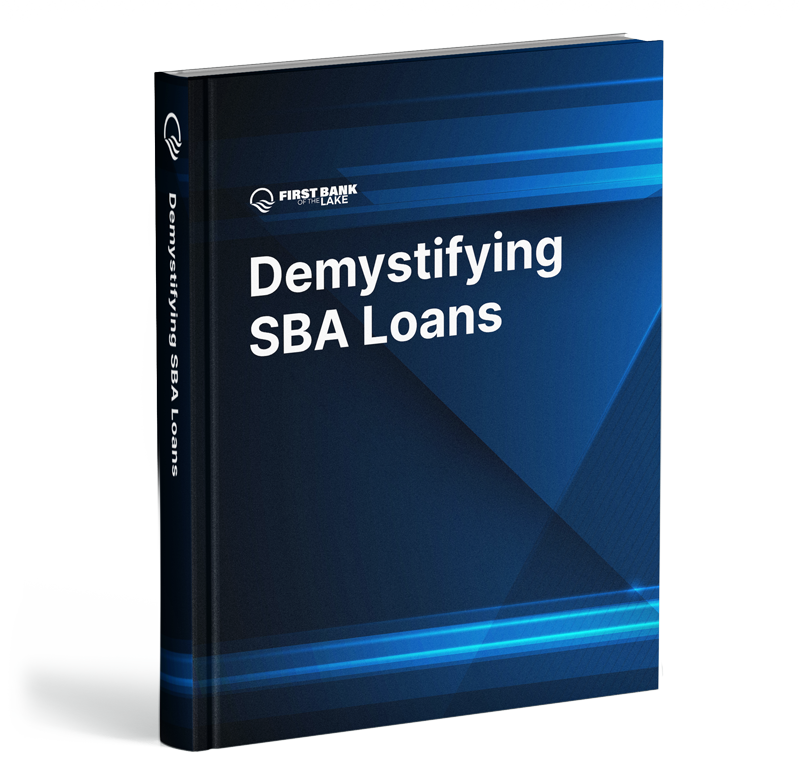
Want the full guide to SBA loans?
Our free 35-page guide explains how SBA loans work, what they cover, and how to qualify, in plain language.
Send me the free SBA loan guide
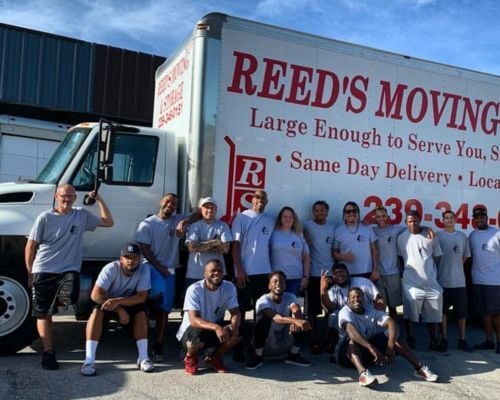
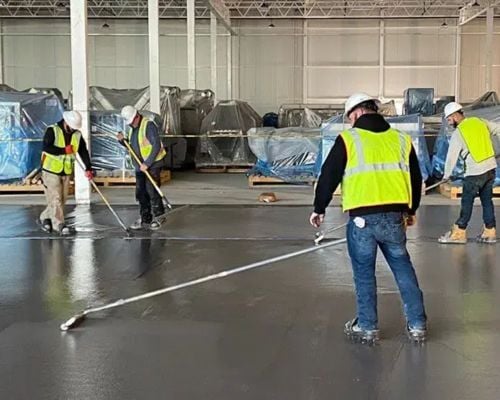
Owners who’ve been where you are
Read how First Bank of the Lake helped these business owners reach their goals.


Talk to a specialist
Not sure which kind of loan fits? Tell us what you want to do, and a business lending specialist will reach out to help you sort it out.
Where we can help most
We work best with established businesses and buyers ready to take on a major project, like buying a business, buying property, expanding, or opening a franchise. We take the time to understand your goals, your experience, and what you’ll need after closing day.
What happens next
A specialist reviews what you share and reaches out to talk through your plans. No pressure, no commitment.
Tell us what you want to do
Ready to talk about your next step?
Bring your questions. We’ll bring the guidance.
All loans are subject to credit approval. Restrictions and limitations may apply. First Bank of the Lake does not provide tax, legal or investment advice. All decisions concerning these matters should be made in conjunction with your professional advisors.
^[Add the footnote for the Top 3 ranking from the website: the ranking source and fiscal years.]
Approved to offer SBA loan products under SBA’s Preferred Lenders Program.