
The short answer
Most buyers finance a business purchase with an SBA 7(a) loan, combined with their own down payment and sometimes financing from the seller. SBA rules generally require a down payment of at least 10% of the total project cost, and lenders look closely at the business’s cash flow, your experience, and your credit history. The guide below walks through each step.
Buying a business: your questions, answered
A plain-language walkthrough of how buyers find, evaluate, and finance an established business.
Why buy an existing business instead of starting one?
An established business comes with customers, cash flow, employees, vendor relationships, and a name people already know. That can shorten the learning curve compared with starting from scratch. The biggest advantage is the track record: you can see how the business has actually performed before you buy it.
It can also cost more up front and may come with issues you’ll need to uncover, like aging equipment or outstanding debts. That’s why careful due diligence matters.
How should I prepare to buy a business?
- Get clear on your goals. Think about the industry, size, and kind of role that fit your skills and the life you want.
- Get your finances in order. Review your credit history and figure out how much cash you can put toward a down payment.
- Gather your documents. Lenders usually ask for a personal financial statement, recent tax returns, and a resume that shows your management or industry experience.
- Build your team. An attorney and an accountant who work on business sales can save you from expensive surprises.
- Talk with an SBA lender early. Knowing what financing could look like before you make an offer helps you shop with confidence.
Where do people find businesses for sale?
Common sources include business brokers, online marketplaces like BizBuySell, industry contacts, and reaching out directly to owners of businesses you admire. If you’re open to franchising, existing franchise locations are sometimes for sale too.
Once you find a promising business, ask for at least the last three years of tax returns and financial statements, plus an overview of how it operates. Sellers usually share this after you sign a non-disclosure agreement.
How is a business valued?
Buyers and lenders usually look at value a few different ways:
- Cash flow: how much the business earns, and how much debt that cash flow can support.
- Comparable sales: what similar businesses have sold for recently.
- Assets: the value of equipment, inventory, real estate, and intangibles like the brand and customer list.
For SBA loans, an independent business valuation is often part of the process.
What does due diligence involve?
Due diligence is how you confirm what you’re buying. It usually covers:
- Financials: checking records for accuracy and consistency, and identifying any liabilities.
- Operations: reviewing contracts, leases, and staffing, and making sure licenses and permits can transfer to you.
- Legal: having an attorney check for liens, pending legal issues, and compliance concerns.
- Physical assets: inspecting property and equipment, including environmental reviews where needed.
- People: identifying key employees and planning the owner’s transition.
What are the main ways to finance a business purchase?
Many purchases combine more than one of these:
- SBA loans: loans made by banks and partly guaranteed by the U.S. Small Business Administration, often with lower down payments and longer repayment terms than conventional loans.
- Conventional bank loans: typically a larger down payment and shorter terms.
- Seller financing: the seller lets you pay part of the price over time, which can reduce the cash you need up front.
- Your own funds or investors: savings, home equity, or partners who invest in exchange for ownership.
- Retirement funds: some buyers use a structure called ROBS to invest 401(k) or IRA funds in a business. It carries real risk, so talk with a tax advisor first.
SBA 7(a) or SBA 504: which fits a business purchase?
An SBA 7(a) loan is the most common choice for buying a business. It can cover the purchase price, including goodwill, along with real estate, equipment, inventory, working capital, and closing costs, up to $5 million.
An SBA 504 loan is built for major fixed assets like real estate and large equipment. It’s structured in three parts: a bank loan, a loan from a Certified Development Company (CDC), and your down payment. A 504 loan can’t be used for working capital, inventory, or goodwill, so it fits best when most of the purchase is property or equipment. Some purchases use both.
What do lenders look at when you apply?
Every lender has its own criteria, but these come up in almost every SBA acquisition loan:
- SBA eligibility: a for-profit business in the U.S., with owners who meet the SBA’s citizenship and residency rules.
- A down payment: SBA rules generally require at least 10% of the total project cost when you buy a business. In some cases, part of it can come from seller financing that meets SBA terms.
- Cash flow: the business should have a history of cash flow strong enough to repay the loan. Lenders usually review about three years of tax returns and financial statements.
- Your credit history: a responsible personal credit and financial track record.
- Your experience and plan: relevant management or industry experience, and a clear plan for running the business.
- A personal guarantee: owners of 20% or more of the business generally guarantee an SBA loan.
Collateral matters too, but under SBA rules, a lack of collateral on its own usually isn’t a reason a loan is declined.
Can the seller stay on after the sale?
Often, yes. Many buyers plan a transition period where the seller helps with the handoff, like introducing you to key customers and vendors. Under SBA rules, a seller who is fully bought out can stay on for a limited time to help with that transition.
What does the SBA loan process look like?
- Choose the right program. Most acquisitions use a 7(a) loan. A 504 loan may fit if the purchase is mostly property or equipment.
- Find an experienced SBA lender. SBA Preferred Lenders can make the credit decision on 7(a) loans in-house. First Bank of the Lake is a nationwide SBA Preferred Lender for 7(a) loans.
- Apply and share your documents. Expect SBA forms, personal and business financial statements, the purchase agreement, and a business plan. A business valuation or real estate appraisal may also be needed.
- Underwriting. The lender reviews everything, may ask follow-up questions, and issues a loan commitment if the loan moves forward.
- Closing. You meet the conditions in the commitment, sign the loan documents, and the funds are disbursed so ownership can transfer.
How long it takes depends on the business, the purchase, and how quickly documents come together. A specialist can walk you through what to expect for yours.
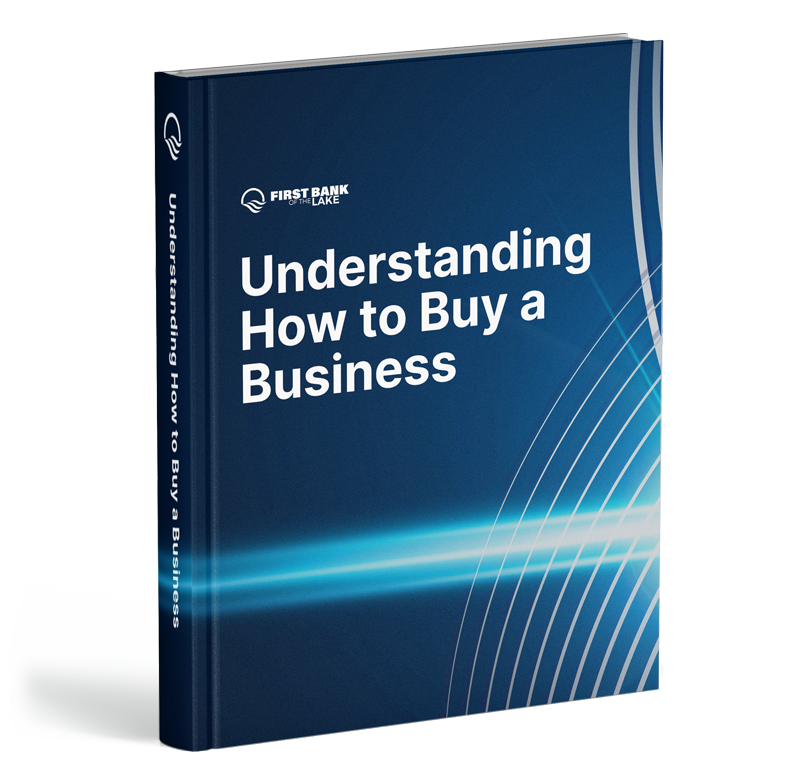
Want the full guide?
Have more questions about how to buy a business? Our free 42-page guide walks you through it in plain language.
Send me the free guide
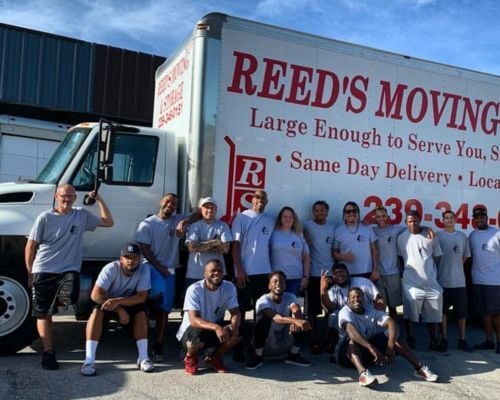
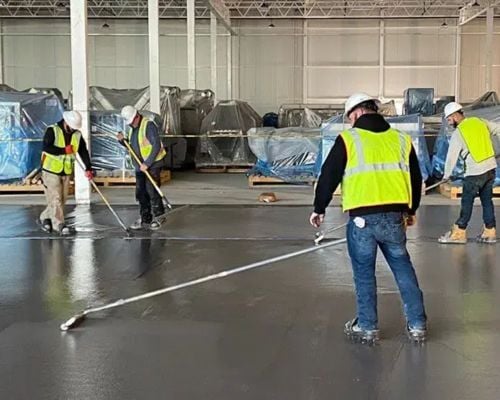
Owners who’ve been where you are
Read how First Bank of the Lake helped these business owners reach their goals.


Talk to a specialist
Have a business in mind, or still searching? Tell us a little about your plans, and a business lending specialist will reach out to answer your questions.
Where we can help most
We work best with buyers ready to take over an established business. We take the time to understand the business, your experience, and what you’ll need after closing day.
What happens next
A specialist reviews what you share and reaches out to talk through your plans. No pressure, no commitment.
Tell us about the business you want to buy
Ready to talk about buying a business?
Bring your questions. We’ll bring the guidance.
All loans are subject to credit approval. Restrictions and limitations may apply. First Bank of the Lake does not provide tax, legal or investment advice. All decisions concerning these matters should be made in conjunction with your professional advisors.
^[Add the footnote for the Top 3 ranking from the website: the ranking source and fiscal years.]
Approved to offer SBA loan products under SBA’s Preferred Lenders Program.